High Cholesterol Helps Cancer Spread
18 Mar 2026
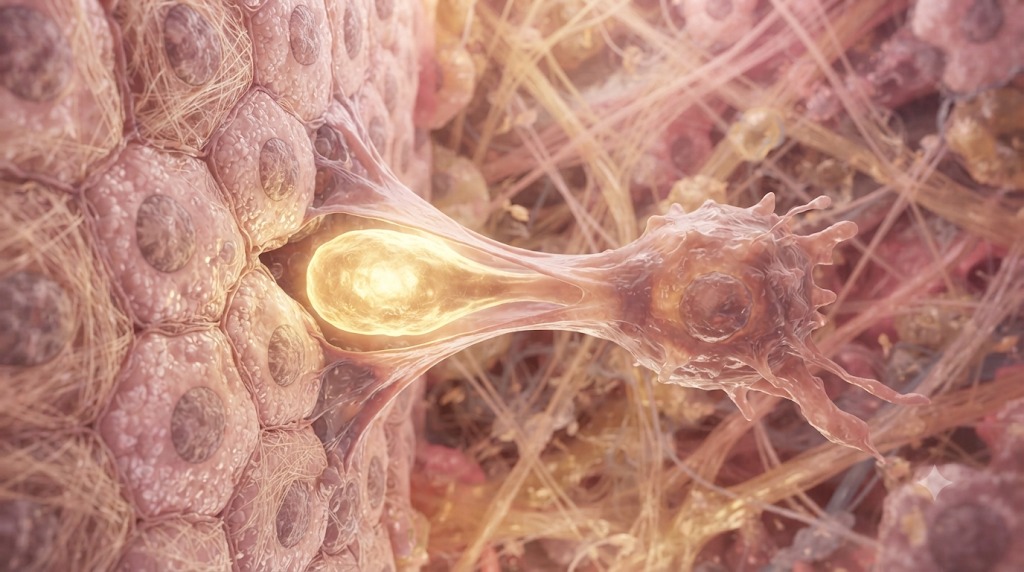
With reference to the Lamin B Receptor (LBR) protein mentioned in biomedical investigations, consider the following statements: The LBR protein is located within the nuclear boundary and plays a dual role in anchoring DNA and synthesizing cholesterol internally. Malignant cells typically downregulate LBR synthesis to reduce intra-nuclear cholesterol levels and prevent nuclear ruptures. Which of the statements given above is/are correct?
- 1 only
- 2 only
- Both 1 and 2
- Neither 1 nor 2
Practice questions are answered inside your account. Create a free account, or see what practice includes.
Which of the following best describes the structural and genetic consequence of elevated nuclear cholesterol in malignant cells?
- It strengthens the nuclear barrier, completely preventing genetic mutations from occurring.
- It induces membrane ruptures that expose genetic material and lead to mutation-aggravating damage.
- It permanently locks the chromatin structure, halting all forms of cell division.
- It prevents malignant cells from surviving in low-nutrient environments.
Practice questions are answered inside your account. Create a free account, or see what practice includes.
Consider the following interventions aimed at addressing cancer metastasis related to lipid dynamics: Suppressing the Lamin B Receptor (LBR) Administering lipid-lowering pharmaceuticals such as statins Which of the above interventions are linked with potential reductions in cholesterol accumulation and slower cancer progression?
- 1 only
- 2 only
- Both 1 and 2
- Neither 1 nor 2
Practice questions are answered inside your account. Create a free account, or see what practice includes.
What is the primary cellular behavior observed in malignancies characterized by vulnerable, high-cholesterol nuclei?
- Complete cessation of cellular metabolism due to chronic DNA damage
- Accelerated multiplication driven by accumulated genetic alterations and enhanced tissue invasion
- Increased susceptibility to normal tissue immune surveillance and rapid apoptosis
- Loss of ability to adapt to adverse and low-nutrient environmental conditions
Practice questions are answered inside your account. Create a free account, or see what practice includes.