The Spoon-tailed Duskhawker
29 Aug 2026
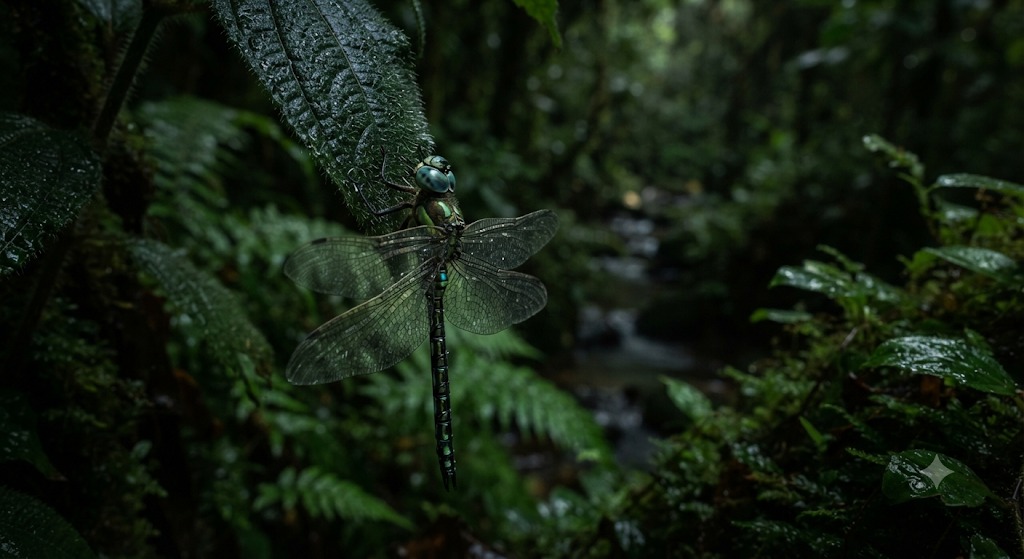
Consider the following statements regarding the Spoon-tailed Duskhawker (Gynacantha basiguttata): It belongs to the family Aeshnidae under the insect order Odonata. It is strictly diurnal in its foraging habits, remaining completely inactive during dawn and dusk. Which of the statements given above is/are correct?
- 1 only
- 2 only
- Both 1 and 2
- Neither 1 nor 2
Practice questions are answered inside your account. Create a free account, or see what practice includes.
In which of the following protected areas of India was the first verifiable photographic record of the Spoon-tailed Duskhawker recently captured?
- Kaziranga National Park
- Namdapha National Park and Tiger Reserve
- Manas National Park
- Dibru-Saikhowa National Park
Practice questions are answered inside your account. Create a free account, or see what practice includes.
Which of the following morphological features serves as a crucial taxonomic identifier for the Spoon-tailed Duskhawker?
- A bright red abdominal stripe
- A well-defined black, T-shaped marking on the frons
- Striped yellow and black thorax bands
- Bright metallic blue wing coloration throughout
Practice questions are answered inside your account. Create a free account, or see what practice includes.
Consider the following features of the Spoon-tailed Duskhawker: Unstriped olive-green thorax Spoon-shaped anal appendages in males used during copulation Preference for open, sunlit grasslands and dry scrub forests Which of the features given above are correct?
- 1 and 2 only
- 2 and 3 only
- 1 and 3 only
- 1, 2 and 3
Practice questions are answered inside your account. Create a free account, or see what practice includes.
The term 'crepuscular', as used in the context of the Spoon-tailed Duskhawker, refers to which of the following behaviors?
- Migrating across international borders during winter months
- Foraging and flying actively specifically during dawn and dusk
- Burrowing underground during the dry season
- Feeding exclusively on aquatic vegetation during the larval stage
Practice questions are answered inside your account. Create a free account, or see what practice includes.