RBI's ₹10 and ₹20 Polymer Notes
29 Jul 2026
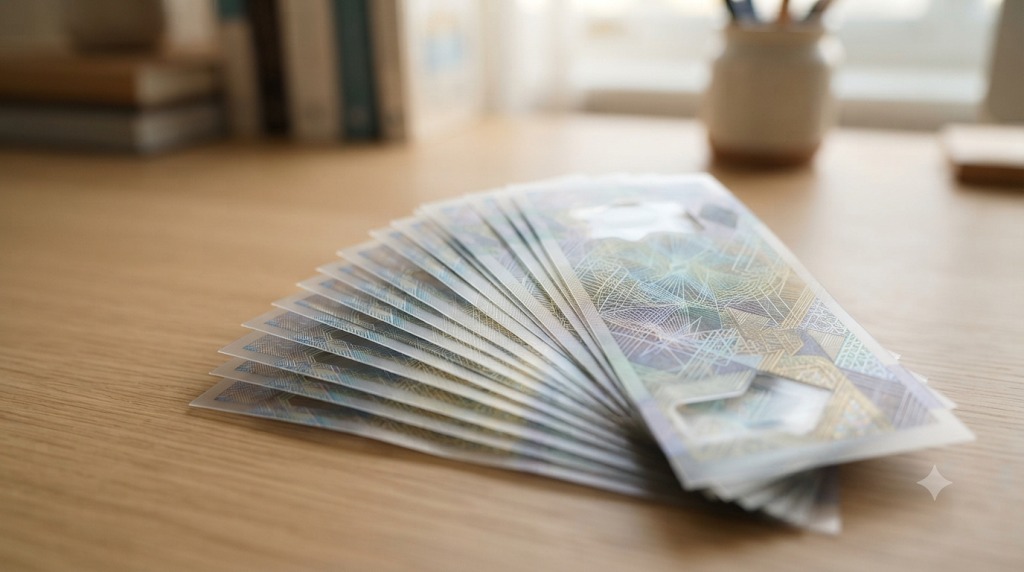
Consider the following statements regarding the field tests for polymer currency notes in India: The pilot program involves polymer notes in the denominations of ₹10 and ₹20. The production of these synthetic plastic notes is assigned to the Bharatiya Reserve Bank Note Mudran Private Limited. The polymer notes are intended to completely replace the existing cotton-paper currency within five years. Which of the statements given above are correct?
- 1 and 2 only
- 2 and 3 only
- 1 and 3 only
- 1, 2 and 3
Practice questions are answered inside your account. Create a free account, or see what practice includes.
Which of the following statutory provisions vests the sole right to issue bank notes in India with the Reserve Bank of India?
- Section 22 of the RBI Act, 1934
- Section 24 of the RBI Act, 1934
- Section 3 of the Coinage Act, 2011
- Section 5 of the Banking Regulation Act, 1949
Practice questions are answered inside your account. Create a free account, or see what practice includes.
Consider the following countries: Australia Canada United Kingdom India Which of the above countries have transitioned to a complete conversion of their currency to polymer notes?
- 1, 2 and 3 only
- 1 and 4 only
- 2, 3 and 4 only
- 1, 2, 3 and 4
Practice questions are answered inside your account. Create a free account, or see what practice includes.
What is the primary material composition of standard Indian currency notes compared to the newly proposed pilot polymer notes?
- Standard notes are made of bamboo pulp, while polymer notes use synthetic nylon.
- Standard notes are made of 100% cotton comber and linter fibers, while polymer variants use a non-porous synthetic plastic film.
- Standard notes use a blend of linen and silk, while polymer notes use polyethylene terephthalate.
- Standard notes use hemp fiber, while polymer notes utilize biodegradable starch-based plastics.
Practice questions are answered inside your account. Create a free account, or see what practice includes.