State-led capital spending
5 Jan 2026
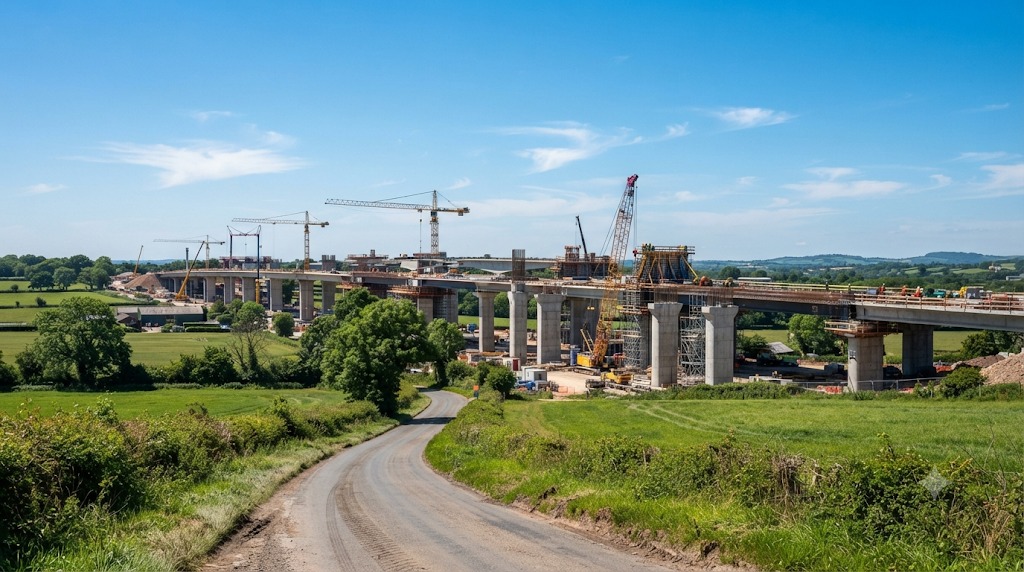
Consider the following statements regarding state-led capital spending trends in India between FY2021 and FY2025: The combined capital expenditure, loans, and advances of 28 States grew at a CAGR of 18.5 percent. The expansion in capital spending was partly driven by 50-year interest-free capex loans provided by the Centre. Which of the statements given above is/are correct?
- 1 only
- 2 only
- Both 1 and 2
- Neither 1 nor 2
Practice questions are answered inside your account. Create a free account, or see what practice includes.
With reference to the fiscal challenges and spending patterns of State governments, consider the following statements: Cash transfers to women (Lado-Virhu style transfers) saw a manifold increase between FY23 and FY26. States with Debt-to-GSDP ratios exceeding 30 percent spend more than 20 percent of their revenue receipts entirely on debt servicing. Which of the statements given above is/are correct?
- 1 only
- 2 only
- Both 1 and 2
- Neither 1 nor 2
Practice questions are answered inside your account. Create a free account, or see what practice includes.
According to the analysis of multiplier effects associated with various state expenditures, which of the following sectors or schemes delivers the highest economic multiplier?
- Direct cash transfers to households
- Road and bridge infrastructure projects
- Urban non-merit freebie distribution
- Routine administrative revenue spending
Practice questions are answered inside your account. Create a free account, or see what practice includes.
Under the constitutional and regulatory framework governing state finances in India, state borrowing limits are strictly anchored to permissions granted under which of the following provisions?
- Article 263 of the Constitution
- Article 293(3) of the Constitution
- Article 356 of the Constitution
- Article 280 of the Constitution
Practice questions are answered inside your account. Create a free account, or see what practice includes.