The Shamonda Virus
23 Oct 2026
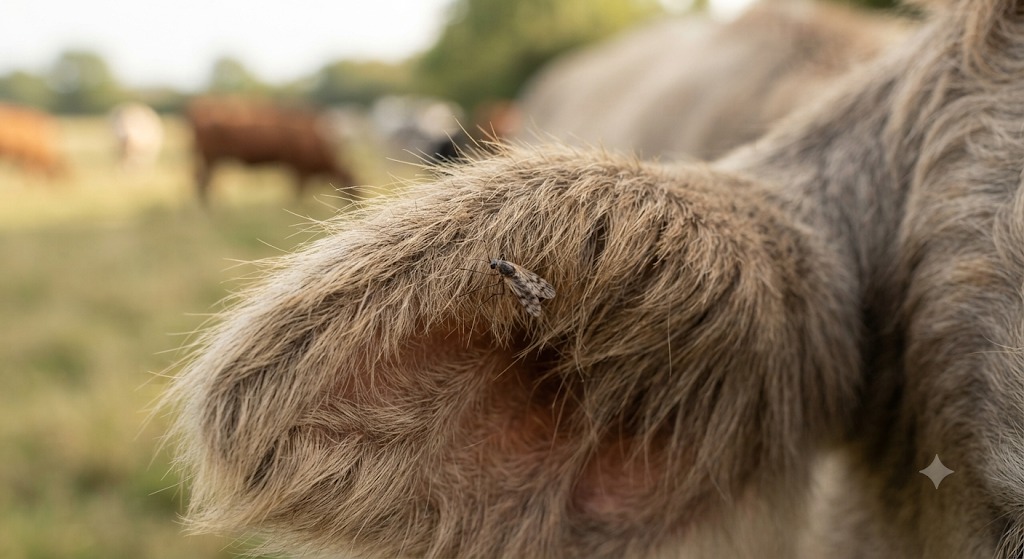
Consider the following animal species: Cattle Sheep Horses Alpacas Which of the above are reported to be susceptible hosts for the Shamonda virus?
- 1 and 2 only
- 3 and 4 only
- 1, 2 and 3 only
- 1, 2, 3 and 4
Practice questions are answered inside your account. Create a free account, or see what practice includes.
In the context of animal health and livestock, which of the following clinical presentations is typically associated with a Shamonda virus infection in ruminants?
- Severe respiratory failure and acute pulmonary edema
- Fever, drop in milk yield, and fetal deformities such as arthrogryposis-hydranencephaly
- Complete paralysis of the hind limbs due to neurotropic bacterial co-infection
- Hyperpigmentation of the skin and excessive shedding of wool in sheep
Practice questions are answered inside your account. Create a free account, or see what practice includes.
With reference to the regulatory status and surveillance of the Shamonda virus, which of the following statements is accurate?
- It is a heavily regulated pathogen listed under the top priority schedules of the World Organisation for Animal Health (WOAH).
- It is currently missing from the list of diseases maintained by the WOAH and the schedules of the EU Animal Health Law.
- Mandatory international reporting for Shamonda virus outbreaks has been strictly enforced by the European Union since 1965.
- It is classified as a high-risk bioterrorism agent requiring quarantine protocols under international trade laws.
Practice questions are answered inside your account. Create a free account, or see what practice includes.
Consider the following statements regarding the Shamonda virus: It belongs to the genus Orthobunyavirus and is closely related to the Schmallenberg virus. The virus is primarily transmitted to animals through the bites of infected Culicoides midges. It was first isolated and identified in livestock in Western Europe during the early 2000s. Which of the statements given above are correct?
- 1 and 2 only
- 2 and 3 only
- 1 and 3 only
- 1, 2 and 3
Practice questions are answered inside your account. Create a free account, or see what practice includes.