Project Great Indian Bustard Captive Breeding Programme
14 Mar 2026
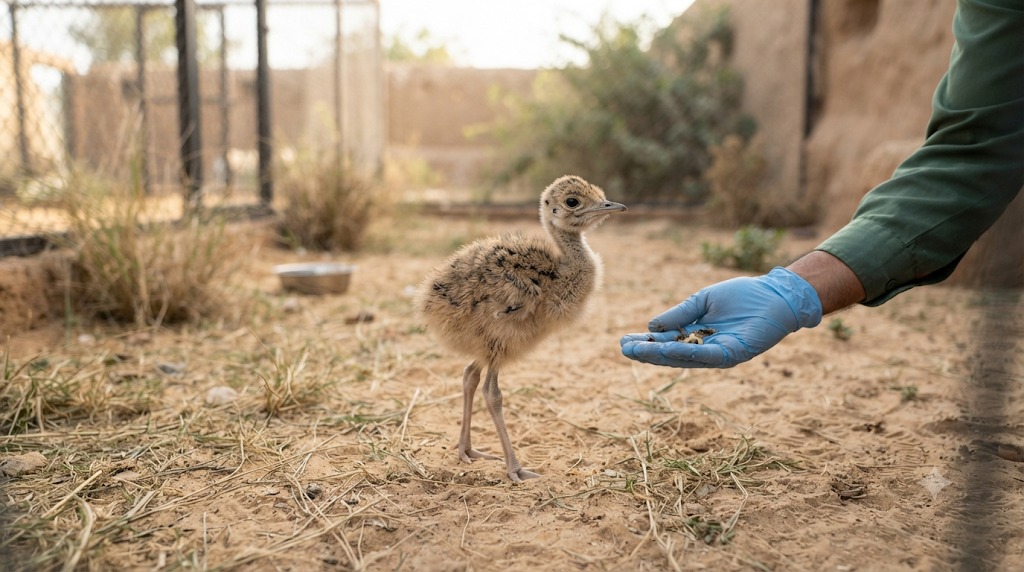
Consider the following statements regarding the Project Great Indian Bustard Captive Breeding Programme: It is run collaboratively by the Wildlife Institute of India, the Rajasthan Forest Department, and the Ministry of Environment, Forest and Climate Change. The programme receives technical assistance from Abu Dhabi's International Fund for Houbara Conservation. Which of the statements given above is/are correct?
- 1 only
- 2 only
- Both 1 and 2
- Neither 1 nor 2
Practice questions are answered inside your account. Create a free account, or see what practice includes.
With reference to the conservation status and legal protection of the Great Indian Bustard, consider the following: IUCN Red List: Critically Endangered Wildlife Protection Act, 1972: Schedule I CITES: Appendix II Which of the statements given above are correct?
- 1 and 2 only
- 2 and 3 only
- 1 and 3 only
- 1, 2 and 3
Practice questions are answered inside your account. Create a free account, or see what practice includes.
Which of the following geographical regions accounts for more than 90% of the surviving wild population of the Great Indian Bustard?
- Gujarat
- Maharashtra
- Rajasthan
- Karnataka
Practice questions are answered inside your account. Create a free account, or see what practice includes.
Consider the following statements regarding the characteristics and habitat of the Great Indian Bustard: It is an omnivorous bird that typically produces a single egg annually. It thrives best in heavily wooded tracts and dense irrigated agricultural zones. Which of the statements given above is/are correct?
- 1 only
- 2 only
- Both 1 and 2
- Neither 1 nor 2
Practice questions are answered inside your account. Create a free account, or see what practice includes.
The 'soft release approach' introduced in recent phases of the Great Indian Bustard conservation breeding programme refers to which of the following?
- Releasing captive-bred birds directly into dense forests without prior acclimatization.
- Progressively habituating captive-bred birds to the wild inside secure enclosures prior to complete release.
- Releasing only older adult birds while keeping all juveniles permanently in captivity.
- Transporting wild birds from Rajasthan to international breeding centers abroad.
Practice questions are answered inside your account. Create a free account, or see what practice includes.